

Welcome. Whether you have just been diagnosed, you are caring for someone who has, or HCM runs in your family, this is the place to start. Below you will find what hypertrophic cardiomyopathy is, what it isn’t, and answers to the questions people ask first.
What HCM Is
Hypertrophic cardiomyopathy (HCM) is a disease that affects the heart muscle and could lead to other serious health conditions. The heart is a muscle that pumps oxygen-rich blood around the body by contracting and relaxing.
In someone with HCM, the walls of the heart become thicker than they should be. This excessive thickening can cause the heart to become stiffer and leaves less room for blood to fill the heart.
This means a heart affected by HCM has to work harder and may have difficulty pumping oxygen-rich blood out to the rest of the body. As a result, those with HCM can experience a lack of energy, a fast heartbeat, chest pain, or other symptoms.
HCM Can Affect Anyone
HCM can affect anyone regardless of age, gender, or ethnicity. The reported prevalence of HCM ranges from 1 in 200 to 1 in 500 people in the general population.
Common Symptoms
- Shortness of breath
- Tiredness or fatigue
- Rapid heartbeat
- Chest pain
- Feeling dizzy or light-headed
- Fainting
Symptoms differ a lot from person to person. Read more on the Symptom Journey.
What HCM Isn’t
HCM is not a set of separate diseases. Those with hypertrophic obstructive cardiomyopathy (HOCM, oHCM), apical hypertrophic cardiomyopathy, or asymmetric septal hypertrophic cardiomyopathy may think these are completely different diseases. In reality, it is all hypertrophic cardiomyopathy with varied physical presentations.
Put differently, the words “obstructive,” “apical,” or “asymmetric septal” are just descriptions of the current state of the disease.
Many Presentations, One Disease
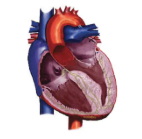
Without Obstruction
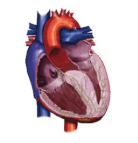
With Obstruction
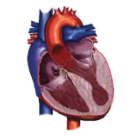
Mid-Cavity
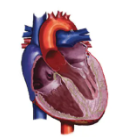
Apical
Why Is My Heart Thick?
Not all thick hearts are HCM. Some conditions, sometimes called “mimickers” or phenocopies, can look just like HCM but have a different cause and a different course. It is important to know why your heart is thick: genetic testing, a review of your symptoms and your family history may lead you to treatment aimed at the reason your heart is thick.
Frequently Asked Questions
How Is HCM Diagnosed?
HCM is usually identified through symptoms, clinical findings or family history. Diagnosis most commonly starts with imaging of the heart by echocardiogram or cardiac MRI, and genetic testing may follow.
How Common Is HCM?
The reported prevalence of HCM ranges from 1 in 200 to 1 in 500 people in the general population.
The Heart in HCM
To understand what changes in HCM, it helps to know how a normal heart is built and works. The heart muscle itself, the myocardium, is the part that is abnormal in HCM.
History and Other Names
HCM has been given more than 75 separate names over the last 60 years. IHSS was the first to be widely used in the United States.
When Does HCM Develop?
HCM can be diagnosed at any age, from birth to 80 and beyond. Thickening may be present in childhood, but it is much more common for the heart to appear normal early in life.
What Is Heart Failure in HCM?
Heart failure means blood is not coming from the heart fast enough to meet the body’s needs. In HCM it is much more often a problem with filling than with pumping, and it can be treated successfully when it gets attention early.
What Is Obstruction in HCM?
Thickening in the heart wall can obstruct (block) blood flow out of the heart to the rest of the body.
What Symptoms Does HCM Cause?
No single symptom is unique to HCM, but there are typical ones, and they can appear at any stage of life. Many people live with an HCM heart long before their diagnosis, so knowing what is “normal” can be hard.
Do I Need to Screen My Family for HCM?
Yes. When HCM is diagnosed in a family, or a family member dies of an HCM-related cause, all blood relatives should be screened.
What Complications Can HCM Cause?
Complications can include arrhythmias, sudden cardiac arrest, heart failure, heart block and endocarditis.
Where Can I Find a Doctor for HCM Care?
HCMA Recognized Centers of Excellence have proven they provide high-quality HCM care consistent with guidelines, and are dedicated to HCM treatment and research. Find one near you.
How Can I Learn More?
Call us. After a guided Intake Call, everyone who contacts the HCMA gets a complimentary 15-minute consultation to answer questions about a new diagnosis, medication decisions or surgery.